1. Learning From The Estate: Soil Biogeochemistry
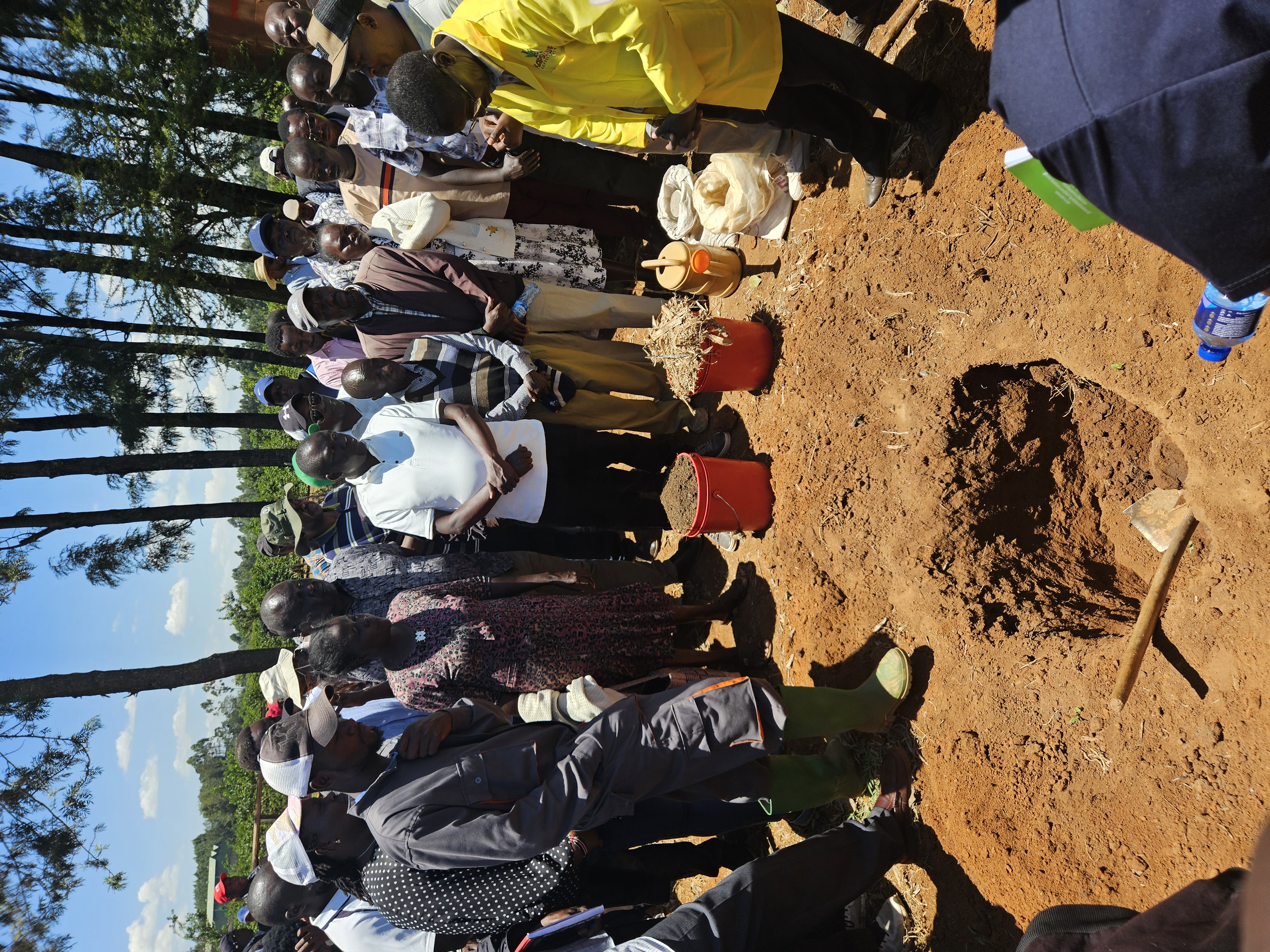
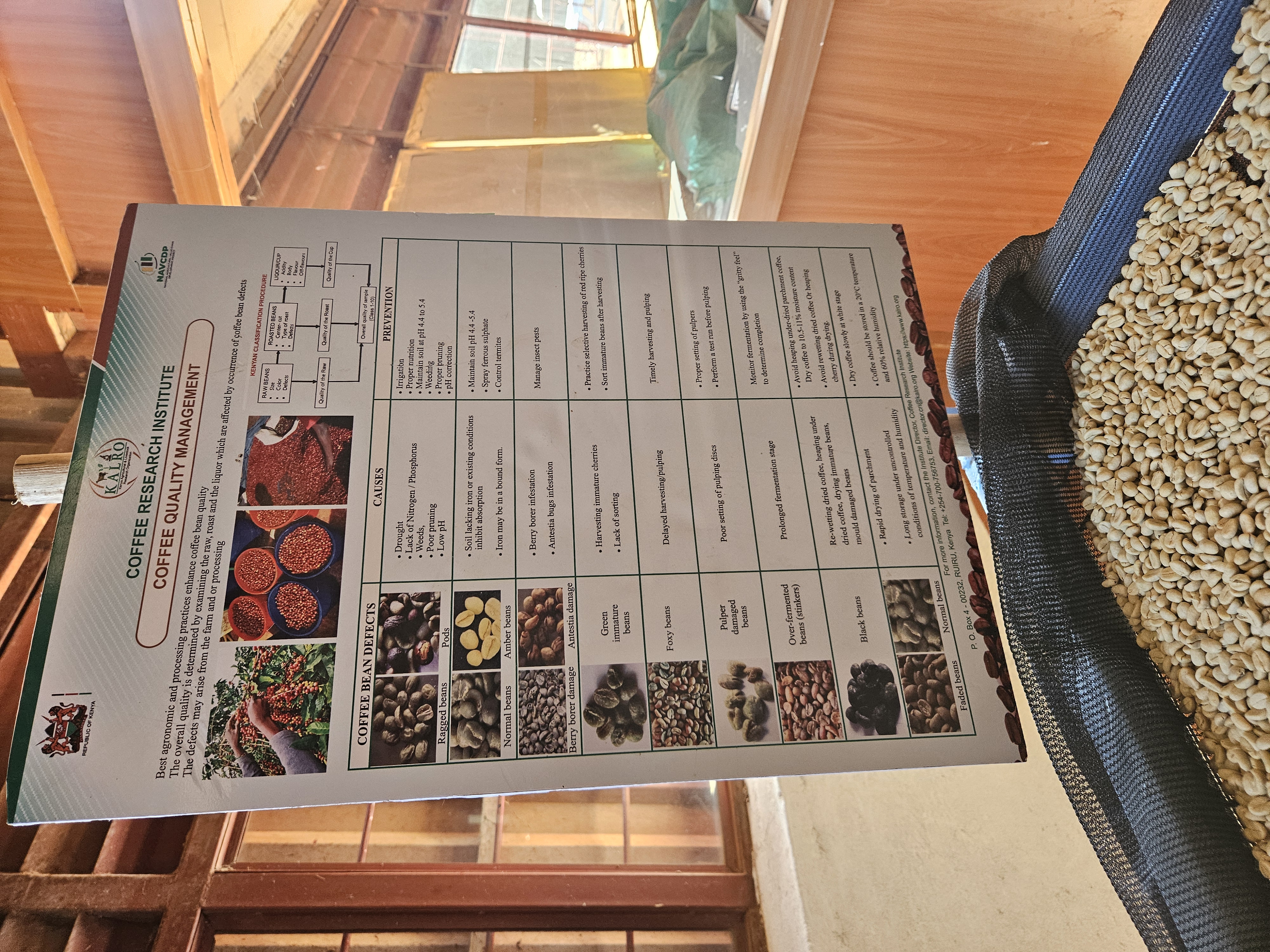
During the training initiative at Kapsuswa Coffee Estate, my primary objective was to observe how commercial highland coffee is engineered from the ground up. In software architecture, reliable systems depend on solid database primitives; in agriculture, everything traces back to soil biogeochemistry.
The highland soils on our 2-acre plot had a baseline pH of 4.9—excessively acidic for premium Arabica root uptake. At this acidity level, essential nutrients like phosphorus, magnesium, and calcium bind tightly to iron and aluminum particles, rendering them bio-unavailable to young seedlings.
Under the guidance of the estate owner and senior agronomists, we executed a rigorous soil-conditioning protocol:
- Agricultural Dolomitic Lime: Applied at calculated rates per planting basin to raise soil pH toward the optimum 5.5–6.5 window.
- Pit Geometry & Manure Blending: Excavating 60cm × 60cm × 60cm planting pits, segregating topsoil from subsoil, and blending the topsoil with 20kg of fully decomposed compost, rock phosphate, and beneficial mycorrhizae.
- Subterranean Water Basins: Constructing inverted saucer catchment basins around each stem to retain localized rainfall without causing root collar rot.
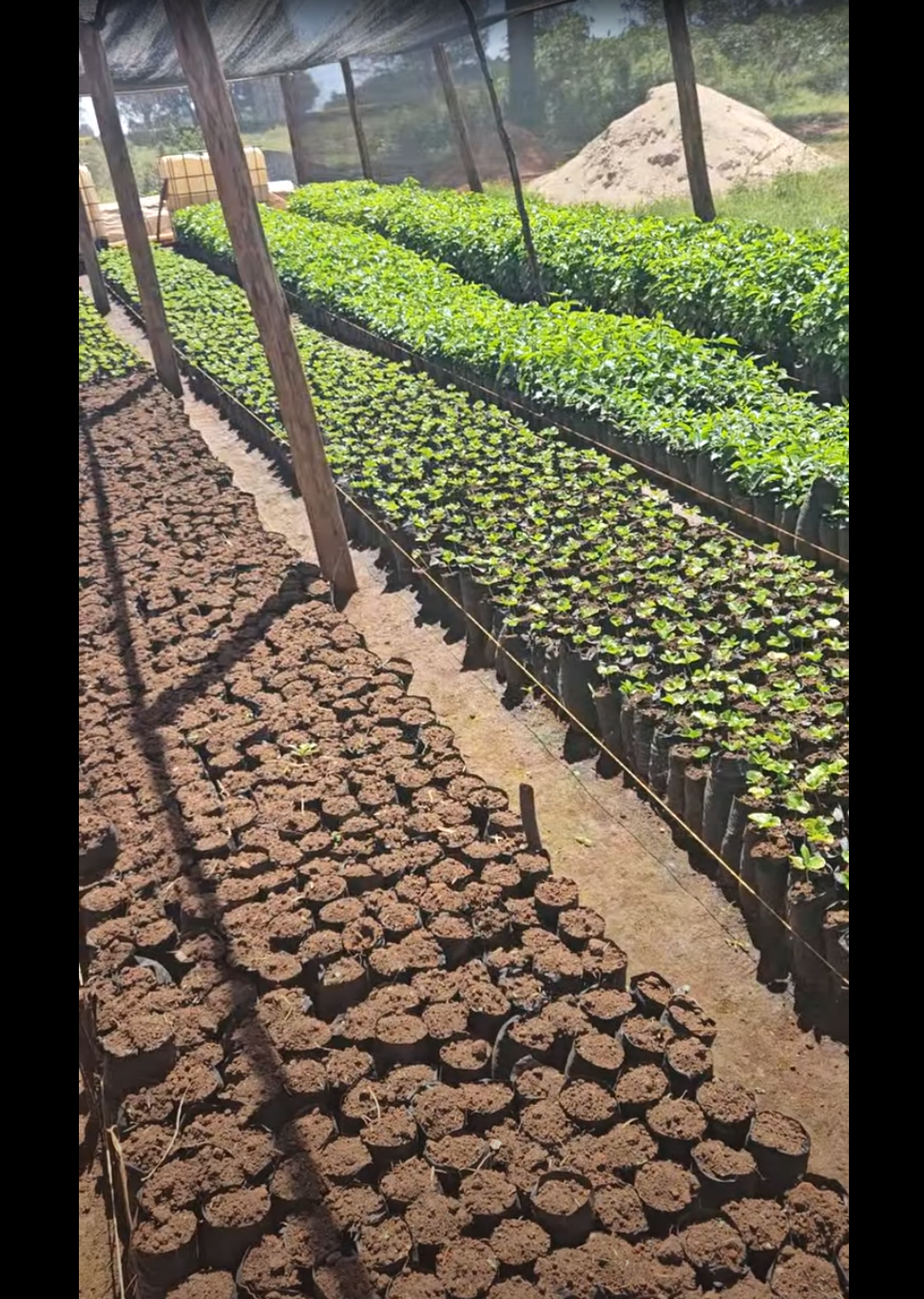
2. Varietal Strategy: The Genetics of Ruiru 11 & Batian
Traditional Kenyan varietals like SL28 and SL34 yield legendary cupping profiles but demand intensive chemical intervention to ward off Coffee Berry Disease (CBD) and Leaf Rust. At Kapsuswa Estate, the emphasis was firmly on sustainable economics through modern resistant hybrids: Batian and Ruiru 11.
Batian, in particular, combines a vigorous vertical root tap with resistance genes derived from the Timor hybrid. It enables a 2m × 2m high-density planting matrix that delivers rapid crown development and uniform cherry maturation while virtually eliminating synthetic antifungal sprays.
Canopy Architecture & Shade Regulation
Open-sun coffee cultivation accelerates vegetative exhaustion, strips topsoil organic carbon, and exposes sensitive Arabica foliage to harsh ultraviolet radiation and drying winds. During the agronomic field sessions at Kapsuswa Estate, the team demonstrated the strategic engineering of multi-tier canopy architecture.
By intercropping with deep-rooting leguminous shade trees such as Grevillea robusta and Cordia africana, a calculated 30–35% light filter is established above the coffee shrubs:
- Temperature Buffering: The canopy layer moderates diurnal temperature swings, lowering daytime leaf surface temperatures by 3°C–5°C while preventing severe cold-shock drops during highland nights.
- Moisture Conservation & Transpiration: Lower ambient vapor pressure deficits reduce stomatal water loss, ensuring consistent metabolic activity even during dry seasonal intervals.
- Biomass Cycling: Continuous leaf-fall from high canopy strata deposits organic mulch across the soil surface, nourishing subterranean mycorrhizal networks and suppressing invasive weed propagation.